







The Problem: Limitations of Regular Packaging
A mid-sized retail brand specializing in premium skincare products faced a recurring issue. While their products were high-quality, their packaging, standard folding cartons, failed to reflect the same level of sophistication.
Key Challenges:
- Low perceived product value
- Weak shelf impact on competitive retail spaces
- Minimal customer engagement during unboxing
- Limited differentiation from competitors
Although regular boxes were cost-effective and easy to produce, they lacked the premium appeal necessary for a luxury-focused product line.
The Solution: Transition to Custom Rigid Boxes
To address these challenges, the brand decided to shift to custom rigid boxes as part of a packaging upgrade strategy.
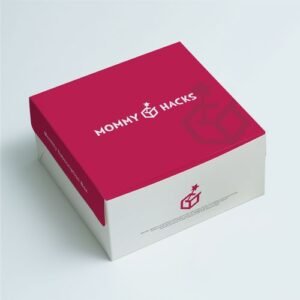
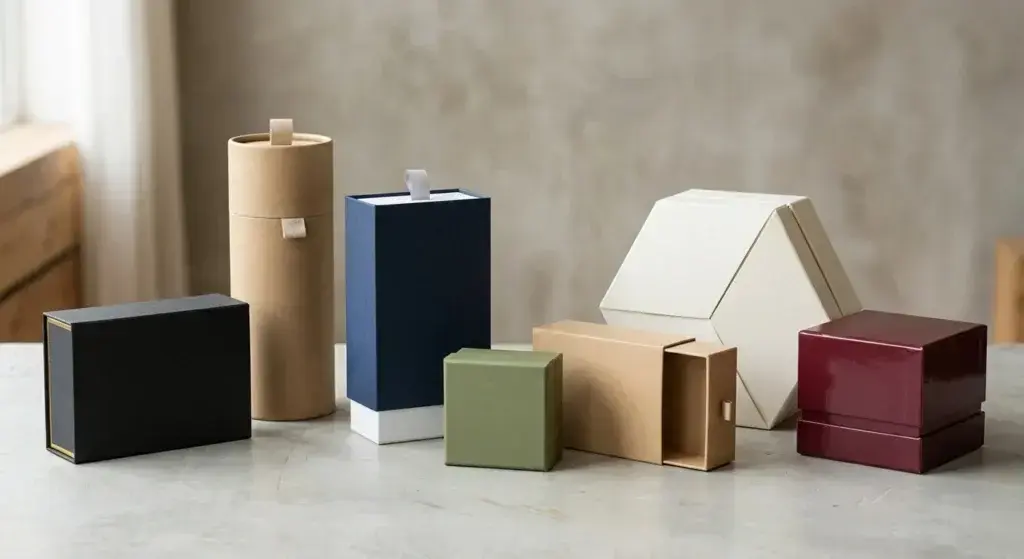
Rigid boxes, often referred to as set-up boxes, are made from thick paperboard and are pre-assembled, giving them a sturdy and high-end feel. These boxes are widely used in luxury rigid box packaging for products such as electronics, cosmetics, and gift items.
Implementation Steps:
Material Upgrade
Switched from thin folding cartons to thick chipboard (1.5 mm–3 mm)
Structural Design Enhancement
Introduced magnetic closure rigid boxes for a premium opening experience
Branding & Finishing
- Matte lamination
- Foil stamping
- Embossed logo
Customer Experience Focus
Designed packaging for an engaging “unboxing moment”
Rigid Boxes vs Regular Boxes: A Practical Comparison
Understanding the difference between these two packaging types is essential for making an informed decision.
1. Material & Build Quality
- Rigid Boxes: Thick, durable chipboard construction
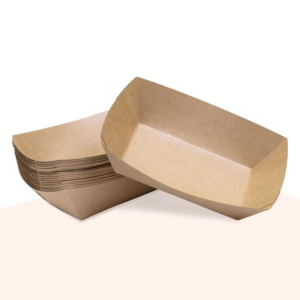
- Regular Boxes: Lightweight paperboard or corrugated material
Rigid box packaging offers superior strength and a more substantial feeling.
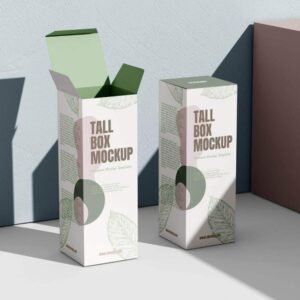
2. Structure & Storage
- Rigid Boxes: Non-collapsible, shipped in assembled form
- Regular Boxes: Foldable and shipped flat
While regular boxes are efficient for storage, rigid boxes prioritize presentation.
3. Branding & Visual Appeal
- Rigid Boxes: Premium finishes like embossing, debossing, and foil stamping
- Regular Boxes: Standard printing with limited finish options
Luxury rigid boxes significantly enhance brand perception and shelf presence.
4. Cost Consideration
- Rigid Boxes: Higher cost due to materials and manual labor
- Regular Boxes: Budget-friendly and scalable
However, rigid boxes often justify their cost through improved customer experience and brand value.
5. Use Cases
- Rigid Boxes: Ideal for luxury products, gift items, and high-end retail
- Regular Boxes: Suitable for everyday retail and shipping needs

Results: Impact of Switching to Rigid Box Packaging
After implementing rigid box packaging, the brand observed several improvements:
Key Outcomes:
- Enhanced perceived product value
- Stronger brand positioning in the premium segment
- Improved customer engagement during unboxing
- Increased repeat purchase behavior (qualitative observation)
While exact numerical data may vary, industry trends consistently show that premium packaging influences purchasing decisions and customer loyalty.
Step-by-Step Guide: Choosing Between Rigid and Regular Boxes
If you’re deciding between these packaging options, follow this practical guide:
Step 1: Define Your Product Positioning
- Luxury or high-end → Choose rigid boxes
- Mass-market or budget → Choose regular boxes
Step 2: Evaluate Your Budget
- Limited budget → Regular boxes
- Flexible budget with focus on branding → Custom rigid boxes
Step 3: Consider Customer Experience
- Want a premium unboxing → Luxury rigid boxes
- Functional packaging is enough → Regular boxes
Step 4: Analyze Distribution Needs
- Shipping efficiency required → Regular boxes
- Retail display priority → Rigid box packaging
Step 5: Focus on Brand Identity
If packaging is a key part of your brand story, investing in custom rigid boxes can create a lasting impression.
Key Takeaways
- Rigid boxes offer unmatched premium appeal, durability, and branding potential
- Regular boxes are cost-effective and practical for large-scale operations
- The right choice depends on your business goals, product type, and customer expectations
For brands aiming to stand out in competitive markets, luxury rigid boxes provide a strategic advantage that goes beyond packaging; they elevate the entire product experience.
Final Thoughts
In today’s competitive landscape, packaging is not just about protection; it’s about perception. Choosing between rigid boxes and regular boxes is ultimately a strategic decision.
Businesses that invest in rigid box packaging often position themselves as premium, trustworthy, and detail-oriented—qualities that modern consumers actively seek.
Not sure whether rigid or regular boxes are right for you? Smart Way Packaging helps you choose the perfect solution to match your product, budget, and brand goals. Get in touch today and elevate your packaging.