


Step 1: Define Your Packaging Goals and Requirements
You must know what you want your packaging to do for you before designing. Each product has its unique needs depending on its weight, size, industry, and fragility.
Identify Your Product Size, Weight, and Protection Needs
This will be the first step towards the right package design choice, which should involve analyzing the product’s specifics. Take the product measurements, think about its weight, and the amount of protection required in shipping.
For instance, fragile goods like electronic devices, glassware, or cosmetics will require more protective elements compared to light products that require no special treatment at all.
Think about these aspects when choosing a packaging structure for your goods:
- Dimensions and shape of the product
- Conditions of the shipment
- The requirements for storage
- Protection level required
- Quantity of the packaged units
Determine Your Target Audience and Brand Expectations
The packaging design must be such that it reflects who your customer is and how your product is perceived by the brand. For example, a luxurious product would require sophisticated material and packaging design, whereas an environmentally friendly product would use recyclable and minimal packaging.
Knowing your customer will help you determine:
- Style of packaging
- Colors and images
- Marketing message
- Consumer experience objectives
A good package design fosters better interaction between your customers and the brand.
Step 2: Choose the Right Packaging Style and Materials
After defining your requirements, the next step is selecting the right packaging format and materials. The structure you choose should balance appearance, functionality, durability, and cost.
Select a Packaging Format That Fits Your Product
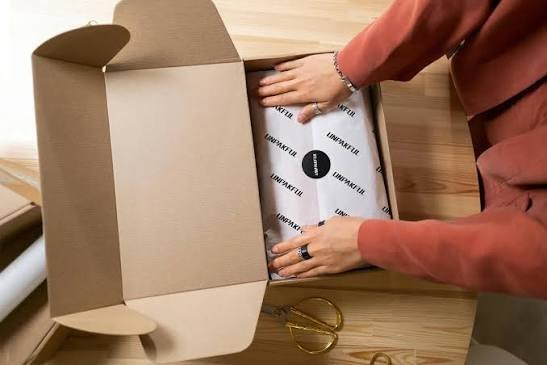
Different products require different packaging styles. Some common options include:
Mailer Boxes
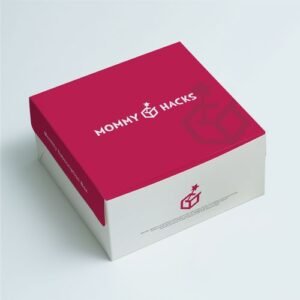
Mailer boxes are popular for ecommerce businesses because they are easy to assemble, durable, and provide an excellent unboxing experience.
Folding Cartons
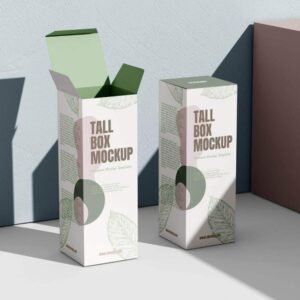
Folding cartons are lightweight and commonly used for retail products such as cosmetics, food items, and small consumer goods.
Rigid Boxes
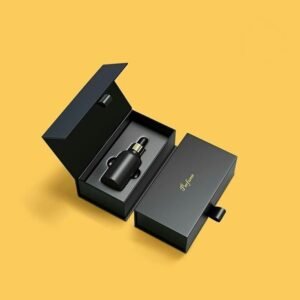
Rigid boxes provide a premium appearance and are often used for luxury products, gifts, electronics, and high-end retail items.
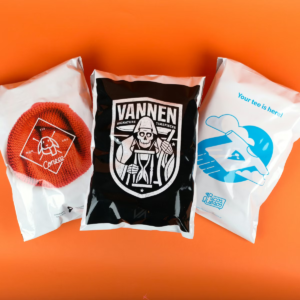
Custom Pouches and Bags
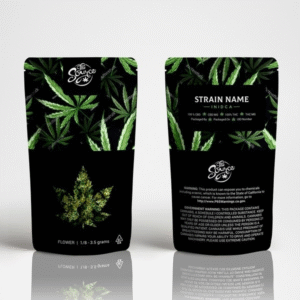
Pouches and Bags are flexible packaging options used for products such as snacks, coffee, supplements, and beauty products.
The right packaging format depends on your product requirements, branding goals, and customer expectations.
Compare Packaging Materials and Finishes
The choice of material will affect the strength, look, sustainability, and cost of packaging.
Some popular packaging materials are:
- Corrugated cardboard – used to protect products during transportation.
- Paperboard – used for retail packaging.
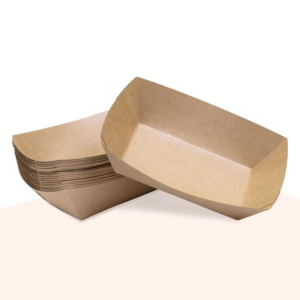
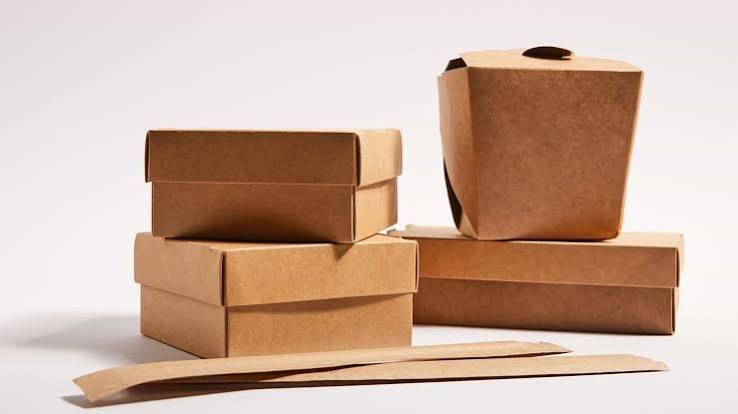
- Kraft materials – to create natural and sustainable packaging designs.
- Rigid board – used in premium packaging.
When selecting packaging materials, you should consider:
- Product protection
- Image of the company
- The influence on the environment
- Printing needs
- Budget constraints
Step 3: Create Your Packaging Design Concept
Once the structure and materials are selected, the next step is developing the visual design. Your packaging design should communicate your brand message and make your product recognizable.
Develop Your Branding Elements and Visual Style
The packaging needs to contain crucial branding aspects that will ensure uniformity throughout the products.
Design aspects include:
- Logo of the brand
- Color scheme of the brand
- Typography
- Product description
- Visual graphics
- The brand story
Effective product packaging will consist of both aesthetically appealing and useful aspects. The objective will be to have packaging that customers can easily identify.
Prepare Packaging Artwork and Dyelines
Before printing, the designer produces a dyeline that serves as a technical guideline detailing the cutting and folding process of the packaging.
A properly designed dyeline guarantees:
- Right dimensions for packaging
- Precise folding and cutting
- Correct positioning of the logo
- Good quality printing
The artwork should be done in accordance with the guidelines provided by the supplier.
Step 4: Select Printing Methods and Customization Options
Printing and finishing options help transform standard packaging into a branded customer experience.
Choose the Best Printing Technique
Different printing methods offer different benefits depending on your order size, design complexity, and budget.
Common printing methods include:
Digital Printing
Digital printing is suitable for smaller quantities and allows faster production with flexible customization.
Offset Printing
Offset printing provides high-quality results and is commonly used for detailed designs and larger production runs.
Flexographic Printing
Flexographic printing is often used for high-volume packaging production because it is efficient and cost-effective.
Choosing the right printing method ensures your packaging achieves the desired quality and appearance.
Add Custom Finishes for Better Presentation
There are ways to enhance your packaging design through finishings.
Customization includes:
- Embossing – for adding depth
- Foil stamping – for giving an exquisite effect
- Matte/Gloss coating
- Spot UV effects
- Window cutting
This way you will be able to develop branded packaging that makes an impression and enhances
Step 5: Create and Test Packaging Samples
Before moving into full production, creating samples is an important step. A prototype allows you to review the packaging design and identify potential improvements.
Review Packaging Prototypes Before Mass Production
The sample will help you to examine:
- The fit of the product
- The dimensions of the packaging
- The design correctness
- The material quality
- The overall look
The prototype testing process decreases the possibility of mistakes while mass production.
Test Durability and Customer Experience
Apart from being attractive, the packaging must be effective when used in practice.
Some tests that can be done are:
- Shipping resistance test
- Packaging protection test
- Bottle opening test
- Convenience test for customers
The package must protect the product and offer a good experience to the customer at the same time.
Step 6: Start Production and Maintain Quality Control
After approving the design and prototype, the packaging moves into manufacturing.
Finalize Production Details With Your Packaging Supplier
Ensure that all necessary details have been verified before beginning production. These include:
- Design files
- Materials
- Quantity of packaging
- Timetable for production
- Printing details
- Delivery specifications
Effective communication with your packaging company can prevent any problems from occurring during production.
Inspect Finished Packaging Before Delivery
Consistency of quality is necessary throughout the manufacturing process.
Check for:
- Printing correctness
- Color correctness
- Brightness
- Material quality
- Packaging errors
Proper quality control ensures that your brand packaging is delivered professionally to your customer.
Before initiating a packaging project, it is necessary to prepare the following information: The appropriate material will depend on your product type, protection needs, branding needs, and budget. Cardboard, corrugated products, kraft paper, and rigid materials are commonly used due to the varied levels of durability and presentation quality they can provide. Yes, most companies do ask for samples before going into mass production. This is because samples enable you to assess the design, material quality, fit of the garment, and its overall look. Good packaging will ensure increased product protection, improved brand recognition, and enhanced customer experience. With the help of a defined process that will cover everything from the choice of material and design to testing of prototypes and manufacturing, you will be able to develop effective packaging.
What information do I need before designing packaging?
• Product dimensions
• Product weight
• Brand guidelines
• Packaging styles preferred
• Audience
• Amount required
• Budget
This will make it easier for designers to design packaging that suits your needs.
What is the best material for custom product packaging?
Can I order packaging samples before placing a large order?
Create Packaging That Builds Your Brand
Are you ready to take the next step in enhancing your product presentation? Consult an expert in packaging who can help you develop customized packages.