






What Is Eco-Friendly Custom Packaging?
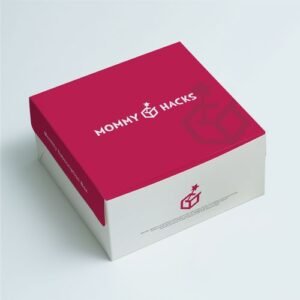
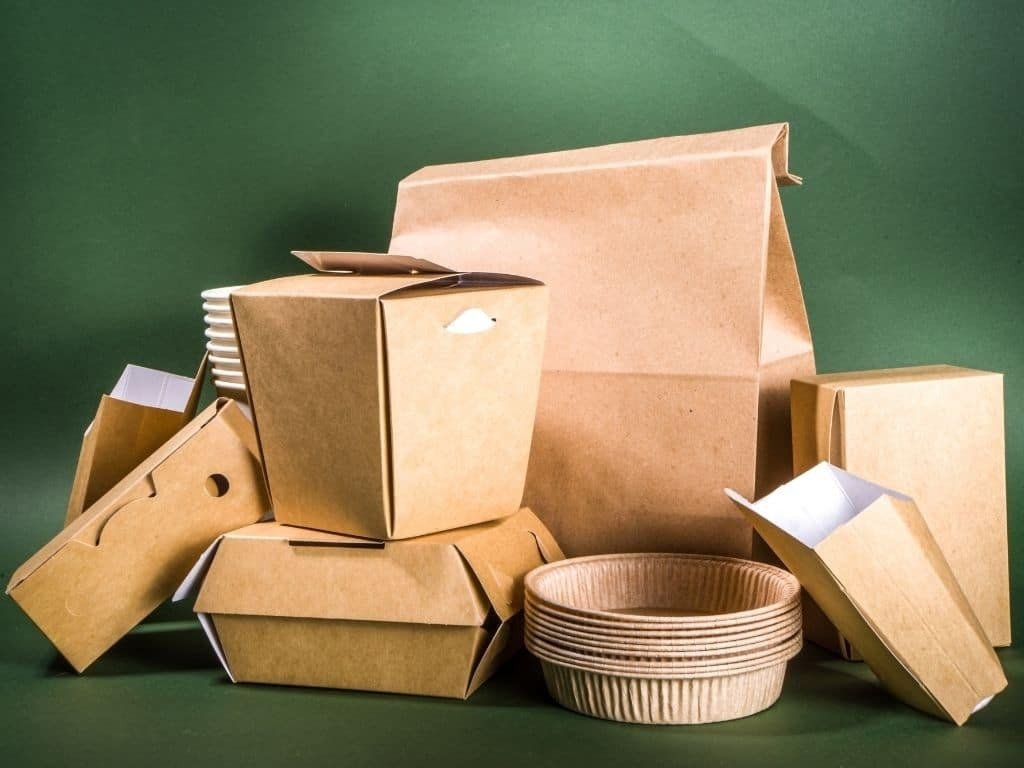
Eco-friendly packaging refers to materials and designs that reduce environmental harm across their lifecycle, production, use, and disposal, typically by being recyclable, biodegradable, compostable, or reusable. “Custom” means that packaging is tailored to a brand’s identity: its logo, colors, sizing, and structure. Combined, the two aren’t in conflict. Businesses can build a distinctive, branded unboxing experience while sourcing materials that are kind to the planet.
Eco-Friendly vs. Traditional Packaging: Key Differences
Traditional packaging often relies on virgin plastics, foam, and non-recyclable composites chosen mainly for low upfront cost. Eco-friendly alternatives instead prioritize renewable or recycled inputs, minimal material use, and end-of-life recovery. The distinction also affects labeling: biodegradable materials break down naturally over time, while compostable materials decompose under specific conditions and leave behind nutrient-rich organic matter — a difference that matters both for accurate marketing claims and for how customers are expected to dispose of packaging.
Common Sustainable Packaging Materials
A handful of materials show up again and again in sustainable packaging strategies:
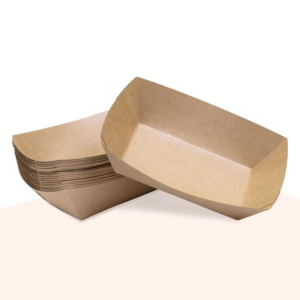
- Kraft paper – recyclable, biodegradable, and often sourced from FSC-certified wood, making it one of the most widely used eco-friendly options.
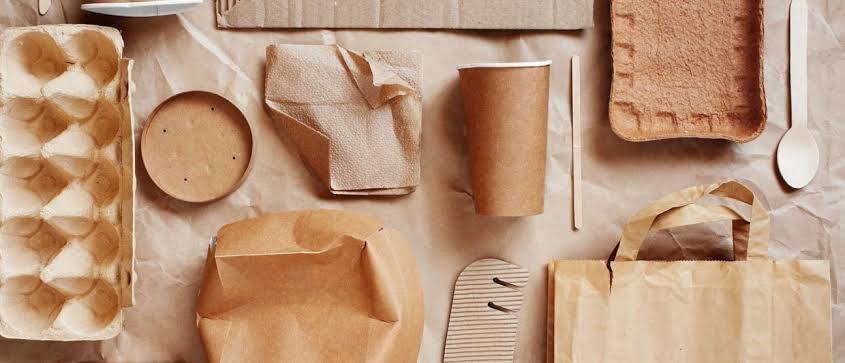
- Corrugated cardboard – strong, reusable, and commonly made from recycled content; a go-to for shipping and product boxes.
- Molded pulp and bagasse – made from recycled paper or sugarcane byproducts, compostable and good for cushioning fragile items.
- Plant-based materials – including cornstarch, cassava, and cellulose films, which are fully biodegradable and compostable.
Most of these materials can still be customized with printing, coatings, and branded inserts, so sustainability doesn’t have to come at the expense of a distinct brand look.
Environmental Benefits of Sustainable Packaging Design
Reducing Landfill Waste and Plastic Pollution
Packaging waste is a major contributor to municipal solid waste. According to EPA data, packaging and containers accounted for 82.2 million tons, 28.1% of total U.S. municipal solid waste, in a single recent reporting year. Switching to recyclable, reusable, or compostable materials directly reduces the volume of packaging that ends up in landfills or waterways.
Lowering Carbon Footprint and Conserving Resources
Eco-friendly materials generally require fewer virgin resources and less energy-intensive processing than conventional plastics, which are typically derived from petrochemicals. By using recycled or renewable inputs, brands lower their overall carbon footprint while supporting a more circular system, where packaging is reused or recycled rather than discarded after a single use.
Brand and Business Benefits
Strengthening Brand Identity and Recognition
Packaging is often a customer’s first physical interaction with a brand, especially in e-commerce. Custom eco-friendly packaging lets businesses build recognition through consistent logos, colors, typography, and messaging, while signaling values like sustainability and quality at the same time. Brands like Lush have used recycled kraft paper and prominent labeling specifically to reinforce a “natural, ethical” identity.
Building Customer Trust and Loyalty
Sustainability credentials increasingly influence purchase decisions. Beyond the general demand figures cited earlier, one industry survey found that 58% of consumers became more likely to buy items packaged in reusable or recyclable materials, and another found that roughly 78% of customers felt more positive about products packaged with recycled materials. Businesses that communicate their sustainability efforts clearly on packaging tend to convert that goodwill into repeat purchases and stronger brand loyalty.
Creating Memorable Unboxing Experiences
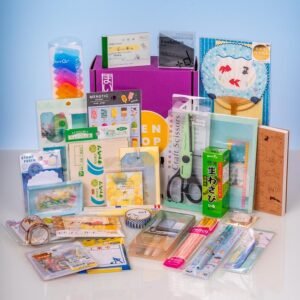
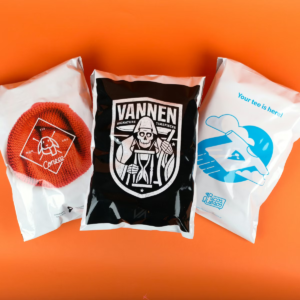
Custom packaging turns unboxing into a marketing touchpoint. Because sustainable materials like kraft paper, molded pulp, and recycled mailers can still be shaped, printed, and branded, businesses can create a tactile, shareable experience without compromising their environmental commitments. This is especially valuable for smaller and direct-to-consumer brands, which can use customizable eco-friendly packaging to build a premium feel without large production runs.
Cost and Operational Benefits
Lower Shipping and Material Costs
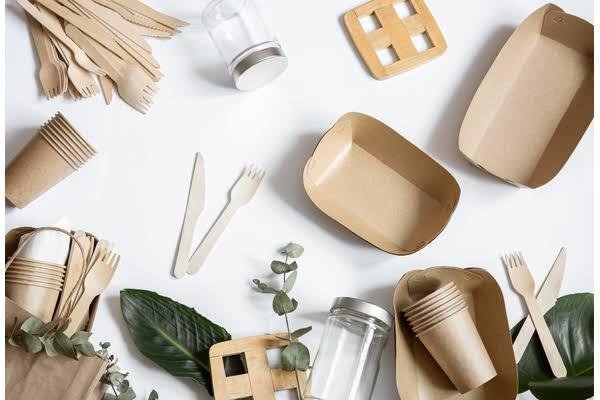
Eco-friendly packaging is frequently lighter than traditional alternatives, which directly reduces shipping costs. Because carriers calculate charges using dimensional weight, right-sized, lightweight eco-friendly mailers and boxes help businesses avoid paying to “ship air,” and even a few ounces saved per package can add up to significant savings across a year of shipping volume.
Long-Term Savings vs. Upfront Investment
Some sustainable materials indeed cost more per unit upfront. However, that cost is frequently offset over time through lighter shipments, reduced material use, less packaging waste to manage, and, in some cases, incentives or grants aimed at encouraging sustainable practices. Minimalist eco-friendly designs also reduce handling time and simplify fulfillment, which adds further operational savings.
Meeting Consumer Demand and Regulatory Compliance
Growing Consumer Demand for Sustainability
Global research reinforces the same trend seen in the U.S.: an international consumer survey conducted across eight countries found that eco-friendly packaging was recognized as one of the most important levers for sustainable consumption, ranking as the top consideration in five of those eight countries. For brands selling internationally, this demand is not a regional blip — it’s a broad, cross-market shift in expectations.
Navigating Packaging Regulations (EPR) in 2026
Regulation is catching up with consumer demand. As of 2026, seven U.S. states — California, Colorado, Maine, Maryland, Minnesota, Oregon, and Washington — have enacted Extended Producer Responsibility (EPR) laws for packaging, all requiring producer reporting by a shared May 31, 2026, deadline. California’s SB 54, for example, took effect on May 1, 2026, and covers more than 5,700 producers, with noncompliance penalties reaching up to $50,000 per day. For businesses shipping into these states, choosing recyclable, low-impact, and well-documented packaging materials isn’t just good branding anymore; it’s becoming a compliance requirement.
Frequently Asked Questions
It can have a higher upfront material cost, but lighter weights, reduced shipping fees, less waste-management spending, and stronger customer loyalty often offset that cost over time. Common options include kraft paper, corrugated cardboard, molded pulp, bagasse, and plant-based materials like cornstarch or cassava, all of which can be recyclable, biodegradable, or compostable depending on how they’re processed. Yes. Sustainable materials can be printed, coated, shaped, and branded just like conventional packaging, allowing businesses to maintain a distinctive, high-end look while meeting sustainability goals. In a growing number of U.S. states with Extended Producer Responsibility (EPR) laws — including California, Colorado, and Oregon, businesses face reporting requirements and fees tied to the packaging materials they use, making sustainable choices increasingly tied to compliance, not just branding. Biodegradable materials break down naturally over time. Compostable materials decompose under specific conditions and leave behind nutrient-rich matter. Recyclable materials can be reprocessed into new products through existing recycling systems.
Is eco-friendly packaging more expensive than traditional packaging?
What materials are considered eco-friendly for custom packaging?
Can eco-friendly packaging still look premium and on brand?
Are businesses legally required to use sustainable packaging?
What’s the difference between biodegradable, compostable, and recyclable packaging?
Ready to Make the Switch?
Eco-friendly custom packaging isn’t just better for the planet; it strengthens your brand, builds customer loyalty, cuts long-term costs, and keeps you ahead of tightening packaging regulations. If you’re ready to redesign your packaging strategy to incorporate sustainable materials without losing your brand identity, now is the time to explore your options.