





What is MOQ in Packaging?
MOQ (Minimum Order Quantity) in custom packaging refers to the smallest number of units a manufacturer or supplier is willing to produce in a single order.
For example, if a packaging supplier has an MOQ of 500 boxes, you must order at least 500 units, even if you only need 100.
- You want custom printed boxes for your product
- Supplier MOQ = 1,000 units
- You must order 1,000 boxes (not less)
MOQ applies to various packaging types, including:
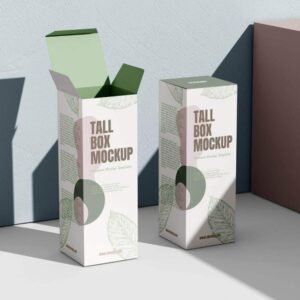
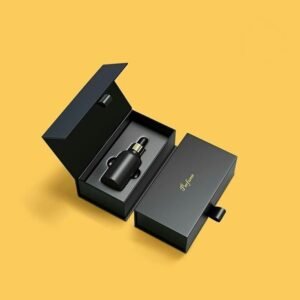
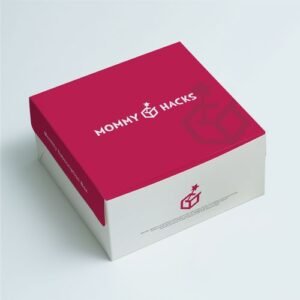
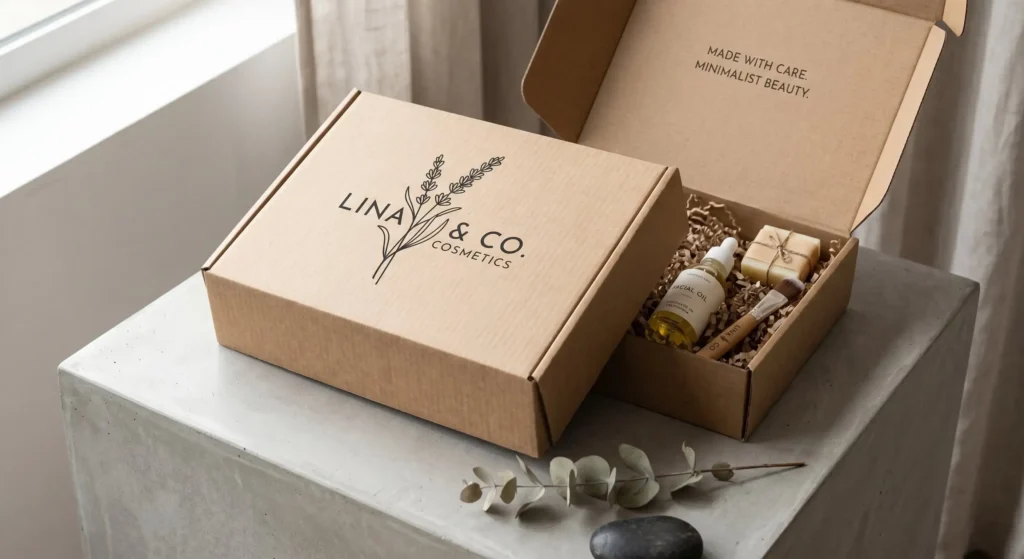
- Custom Mailer boxes
- Labels and stickers
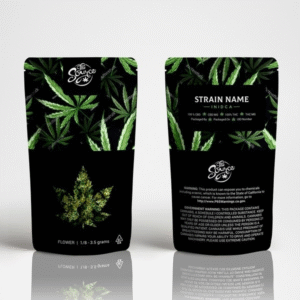
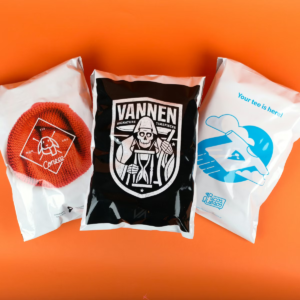
- Flexible packaging (pouches, bags)
Why Do Packaging Companies Have an MOQ?
MOQ is not random; it’s based on real production and cost factors. Here’s why suppliers enforce it:
1. Production Setup Costs
Creating custom packaging involves setup processes like:
- Designing print plates
- Configuring machines
- Color calibration
These costs remain almost the same whether you produce 100 or 10,000 units. So, suppliers set a minimum to stay profitable.
2. Material Procurement
Packaging manufacturers often buy raw materials (cardboard, ink, coatings) in bulk. Smaller orders may not justify material sourcing costs.
3. Printing Limitations
Traditional printing methods like offset printing are more cost-efficient at higher volumes, which is why higher MOQs are common.
Typical MOQ Ranges in Packaging
MOQ varies depending on the type of packaging and customization level.

Custom Boxes
- Typically: 500 — 3,000 units
- Higher for premium finishes or rigid boxes
Labels & Stickers
- Typically: 100 — 1,000 units
- Lower MOQs possible with digital printing
Flexible Packaging (Pouches, Bags)
- Typically: 1,000 — 10,000 units
- Depending on the material and printing complexity
What is Low MOQ Packaging?
Low MOQ packaging refers to suppliers offering smaller minimum order quantities, making it easier for startups and small businesses to get started.
- Standard MOQ: 1,000 units
- Low MOQ supplier: 100–300 units
Low MOQ is ideal for:
- Testing new products
- Launching a new brand
- Seasonal or limited-edition items
Step-by-Step: How Small Businesses Can Manage MOQ
Managing MOQ effectively can save you money and reduce risk. Follow this step-by-step approach:
Step 1: Start with Low MOQ Suppliers
Look for vendors that specialize in custom packaging for small businesses. Many modern suppliers offer flexible MOQs using digital printing.
Step 2: Choose Simpler Packaging Styles
Complex designs increase MOQ. Start with:
- Standard box styles
- Minimal finishes
- Fewer color variations
Step 3: Order in Phases
Instead of ordering large quantities upfront:
- Start small
- Reorder as demand grows
This reduces inventory risk.
Step 4: Negotiate with Suppliers
MOQ is not always fixed. You can:
- Request smaller quantities
- Accept slightly higher per-unit costs
- Build long-term relationships for better deals
Step 5: Use Digital Printing
Digital printing allows:
- Lower setup costs
- Smaller batch production
This is one of the best ways to access low-MOQ custom packaging for small businesses.
Pros and Cons of Low MOQ vs High MOQ
Low MOQ
- Lower upfront investment
- Less storage required
- Ideal for testing products
- Higher cost per unit
- Limited customization options
High MOQ
- Lower cost per unit
- More customization options
- Better for scaling businesses
- High upfront cost
- Risk of unsold inventory
How MOQ Affects Your Packaging Cost
MOQ directly impacts your cost per unit.
- Higher quantity = lower cost per unit
- Lower quantity = higher cost per unit
- 100 boxes → $2.50 per box
- 1,000 boxes → $1.20 per box
This is why businesses must balance:
- Budget
- Storage
- Sales volume
Best Packaging Options for Small Businesses
If you’re just starting out, these packaging options work best:
1. Stock Packaging
- Pre-made boxes
- No customization
- Lowest cost and no MOQ issues
2. Custom Packaging with Low MOQ
- Branded boxes with small quantities
- Great for startups building identity
3. Hybrid Approach
- Use stock packaging
- Add custom labels or stickers
This reduces MOQ while maintaining branding.
Tips to Reduce MOQ Challenges
Here are practical ways to handle MOQ efficiently:
- Work with multiple suppliers to compare MOQs
- Start with simple designs and upgrade later
- Combine orders across products to meet MOQ
- Forecast demand before placing large orders
- Build relationships with suppliers for flexibility
Conclusion
Understanding MOQ in packaging is essential for any small business looking to scale smartly.
While MOQs can seem restrictive at first, they exist for practical reasons tied to production efficiency and cost. The key is to work around them strategically—by choosing low MOQ options, starting small, and scaling gradually.
If you’re just starting, focus on flexibility rather than volume. As your business grows, higher MOQs can actually become an advantage by lowering your costs and improving margins.