
🚚 Fast Turnaround • Reliable Nationwide Delivery 💡 Premium Quality Packaging at Smart Prices 📦 Custom Packaging Solutions Tailored to Your Brand
Global Operations:





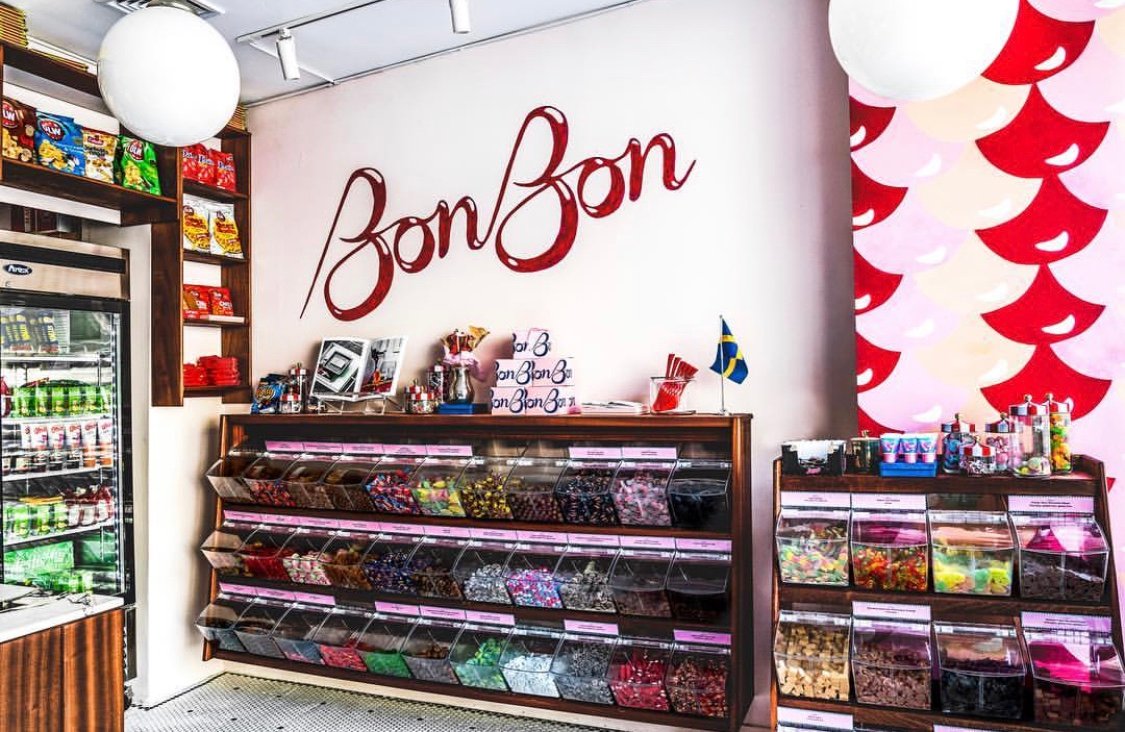
Bonbon NYC x SWP
Bakery
Retail
Running a small business comes with plenty of challenges, and packaging is one that many owners overlook until it becomes a problem. The box, bag, or mailer your product arrives in is often the first physical thing a customer touches, and that moment matters more than most people realize. The good news is that choosing the right custom packaging for a small business does not have to be complicated or expensive. With the right knowledge, even a new brand can find packaging that protects products, builds trust, and fits a tight budget. This guide walks you through everything you need to know, from why packaging matters to the most affordable options available and the mistakes you must avoid.
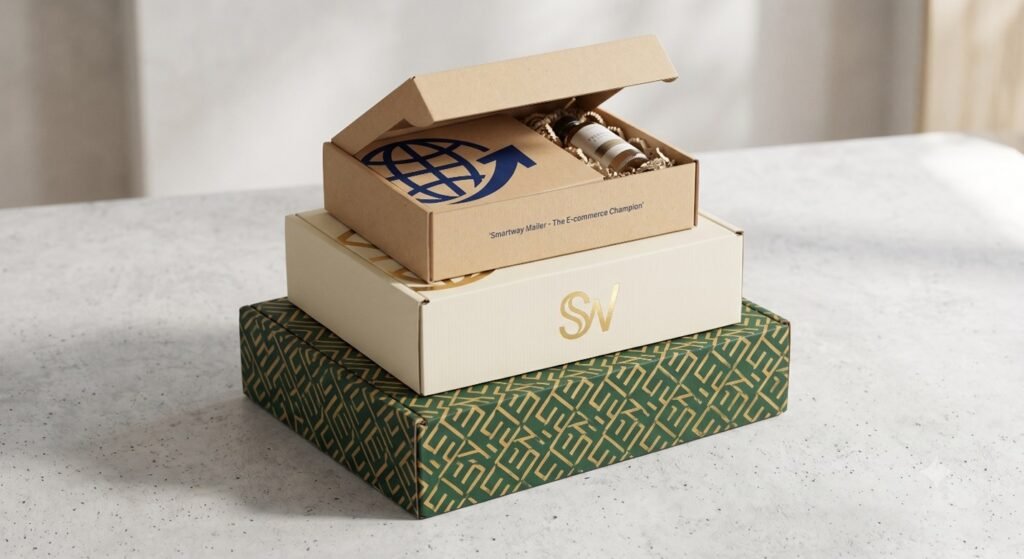
Packaging is not merely a container for your product for a small business. It’s your brand’s initial handshake with the customer. Getting it right might be the difference between someone buying again and someone never coming back.
“Customers form their first impression of a brand within seven seconds, and packaging plays a central role in that snap judgement. The GWP Group’s research proved that buyers closely link packaging quality to the quality of the behind-the-scenes brand.
When a product arrives in a properly designed, robust package, you know the business cares about what they are delivering.
The facts don’t lie: 81% of consumers have purchased a new product solely because the packaging caught their eye, and 72% agree that packaging design influences their purchasing decisions. A solid first impression with packaging may be a major asset for smaller firms battling bigger players.
One excellent packaging experience can be the difference between a one-time buyer and a returning customer. Dotcom Distribution reports 52% of buyers think they’re more inclined to buy again from an online shop if the items arrive in quality packaging. In addition, 40% of buyers have posted a photo or video of the packaging of a product on social media, generating free word-of-mouth marketing that’s hard to buy.
In contrast, bad packing carries catastrophic repercussions. Research shows that between 60 and 80 percent of consumers will not return to a firm if they’ve had a bad packing experience, even if they were satisfied with the product itself. That’s a significant loss for any small firm.
And beyond brand impression, packaging has a vital protective role. About 34% of product returns are due to damage during shipping, with the average retailer losing 4.4% of income from things that can not be resold owing to packaging-related concerns. For a small business that counts every unit, preventable harm is just not acceptable.
The correct packaging protects not only the goods but also the company’s bottom line. Among the least inclined to make a repeat purchase are recipients of damaged products, and bad reviews may spread like wildfire – making protective packaging a financial as much as a reasonable decision.
Before you choose any small business packaging solutions, there are several essential considerations to think about. Rushing this decision a lot of times leads to wasted money, returns or branding that doesn’t represent the firm adequately.
Begin with a realistic budget. Packaging prices can vary greatly, depending on the materials you use, how customised they are and how many you order, so setting a budget before you get started helps you avoid spending too much. In addition to budget, examine what your product is. Fragile or breakable items require stronger packaging with padding, while light products like clothing can be shipped easily in thin, pliable mailers. Matching package strength to fragility minimises both over-spending on excess material and under-spending that results in damage.
Your packaging needs to communicate your brand personality your logo, colours and general design language. Generic or unbranded packaging is missing a huge opportunity to strengthen recognition and express your brand story. Material quality matters too. 67% of consumers agree that the materials used in packaging typically impact their purchasing decision. Strong, well-chosen materials convey reliability and care; shoddy packaging undermines trust before the product is even opened.
Environmental awareness is not a boutique issue anymore. Global research by Trivium Packaging revealed that 75% of consumers today are willing to pay more for sustainable packaging. Especially for Gen-Z, 90% of them said they are willing to pay more for products with eco-friendly packaging. Sustainable materials provide a strong signal to small firms wanting to develop loyal communities that they share the values of their customers. Recycled cardboard, biodegradable films and paper-based packaging are more readily available and more cost-effective solutions.
Smart Way Packaging – High-Quality Custom Mylar Pouch
Small business owners who know what’s out there are making smarter choices. These are the most practical and affordable packaging formats to consider:
Corrugated boxes are one of the most common and economical packing options for transportation. They have a multilayer structure that absorbs shock and reliably handles heavy or fragile objects. However, tuck boxes are easier and faster to manufacture, making them a good choice for light retail products such as cosmetics, soaps or accessories. Both can be ordered with custom printing to have branding at a reasonable cost.
Poly Mailers are lightweight, low cost and perfect for delicate goods like garments and fabrics. They also help to cut shipping costs as they weigh relatively little which is vital for online businesses who ship huge volumes. Custom mailer boxes are an elevated level of presentation that preserve products effectively in transport and create a premium unboxing experience. And if you get them in quantity, they are much cheaper per unit.
Kraft packaging is produced from natural materials and gives a product an earthy, organic feel that appeals to environmentally aware buyers. It is sustainable and recyclable, therefore this is a good choice for brands who have sustainability at their core. Rigid boxes are on the other spectrum they are costlier but they speak of luxury and high quality. Small firms that sell high-value or limited-edition products can use stiff boxes to justify a higher price and increase the perceived worth of the product. Kraft or corrugated is frequently the most economical choice for common things.
Custom packaging can be an affordable solution with a few intentional methods. A few changes in the way you buy, design and select materials can save you a lot of money over time.
One of the best strategies to lower the cost per unit is to order packaging in bulk. Suppliers are always willing to give you a better price the more you buy, so this is a financial incentive to plan ahead. Buying in bulk also means you will have a constant supply throughout peak periods and will not make the expensive mistake of having to buy urgent shipments at inflated pricing. As a general rule, packaging should be ordered two to three weeks in advance, especially during peak seasons or holidays. This helps to minimise delays that could directly cost the business money.
Custom sizes are expensive to make, but handy. Standard box sizes are cheaper because they require less specialised tooling, which speeds up production. They also allow switching vendors without needing to re-design anything. Choosing lightweight materials also means lower shipping expenses, which is a big plus for companies who have a lot of shipments. Lighter packaging also uses less material which is good for the budget and the environment.
More complex packaging designs are more expensive to print and create and can soon feel out of date when design trends change. A clean design neatly placed logo, consistent brand colours and little text – can look just as professional at a quarter of the costs. Instead of constantly changing packaging designs, investing in a timeless branding approach allows businesses to continually place larger orders of the same design, further driving down unit costs.
Even the best-intentioned firm falls prey to the packing traps that waste time, money and client faith. Knowing what not to do is as vital as knowing what to do.
If a package is too big for what’s inside, you’re looking at wasted space, more filler material and greater shipping expenses. Oversized packaging also tells customers that the firm has not given much regard to its environmental impact. However, excessively compact packaging runs the danger of product breakage during transit. The best policy from a cost and customer satisfaction perspective is the use of packaging that is the right size for the product with just enough space to fit the protective cushioning needed.”
Just as crucial is the choice of materials. Inexpensive materials may cost less initially, but damaged goods cost significantly more over time in terms of returns, refunds, and bad reviews. Always arrange for proper cushioning in the package, such as foam inserts or bubble wrap, when packaging for fragile objects.
Unboxing is emerging as an increasingly important aspect of the purchase experience, especially for online brands. Getting a box can be exciting, but it’s easy to ruin that feeling if the packaging is hard to open, unnecessarily complicated to put together, or disappointing to look at inside. Research suggests that when packaging is easy to open and looks good inside, even adding something simple like tissue paper or a thank-you card, customers are more likely to return and leave a positive review. Ignoring this aspect is a squandered opportunity that costs nothing to do with good design.
Failure to comply industry-specific packaging rules food, cosmetics, hazardous chemicals result in fines, shipment delays or product recalls. Small businesses need to fully investigate the compliance regulations that apply to their product category before deciding on any design. Misspellings and grammatical errors on product labels, too, seriously impair brand confidence. “Typos are a sure sign to customers that you are sloppy and unprofessional,” said one packaging authority. Always proof packaging copy thoroughly and have someone else proof it as well before sending files to print.
New small business entrepreneurs often misunderstand that reduced shipping costs automatically means losing quality or appeal. This is just not true when taken strategically.
The difference is between indiscriminately lowering expenses vs making choices based on materials and design.” For example, recycled cardboard, Kraft paper and lightweight corrugated are very cost-effective without being flimsy or visually unpleasant. Many firms that employ these materials are perceived as more considerate, more trustworthy especially among buyers who care about sustainability.
Digital printing technology have also made affordable customisation for packaging for small firms much closer. Small-batch production can now do what used to take big minimum orders and costly set-ups, giving small businesses the ability to create customised packaging without the overhead that used to make it prohibitive.
One of the most influential decisions a brand can make is finding a dependable supplier that understands the demands of small business. You want a packaging vendor that has transparent pricing, affordable minimum order numbers and quality control that ensures consistency with every purchase. Always test samples before you go into a huge run. Send a small batch out to loyal clients, get honest feedback, and find potential problems before they get costly.
Smart selections are the key to cost-effective bespoke packaging. The proper material for the product, clean and useful design, and a reputable supplier, plus an order number that balances cost and inventory risk.
Starting a business is a substantial financial commitment, and if not handled properly, packing costs can devour an inordinate amount of a start-up budget. This is where Smart Way Packaging transforms from simply being a discount into a real competitive advantage for developing firms.
We make sturdy quality packaging that protects product throughout storage and shipment. We sell it at half the market price. We keep costs low through innovative production methods and bulk efficiency, without sacrificing the structural integrity or visual beauty of the package. Businesses shouldn’t have to pick between a package that looks attractive and one that survives transportation. We make sure that they don’t have to.”
Many small business owners think custom printed packaging with their logo and brand colours is out of their budget. No matter what stage your firm is in, we offer unique branding. You may add your logo, brand colours and design components without a big upfront expenditure, giving your package a professional and unique look that can stand up to much larger firms.
We recognise that a startup firm can’t always commit to high volumes in the beginning. That is why we have low minimum order quantities so that businesses may start with an achievable quantity, test their packaging in the real world and raise their orders as their business grows. That flexibility decreases the financial risk, and makes it easier to change package choices as the business matures.
You don’t need to spend a lot or get confused about the correct package to use. Having a clear budget, knowing what your product needs and having the proper supplier at your side, you can make packaging that protects your products, displays your brand professionally and makes people want to order again.
Looking for affordable, high-quality product packaging? We create boxes that enhance your brand presentation and protect your products. Start your first order today and get 20% off instantly!
Fill out the form and our consultant will match or beat any competitor’s quote.