
🚚 Fast Turnaround • Reliable Nationwide Delivery 💡 Premium Quality Packaging at Smart Prices 📦 Custom Packaging Solutions Tailored to Your Brand
Global Operations:




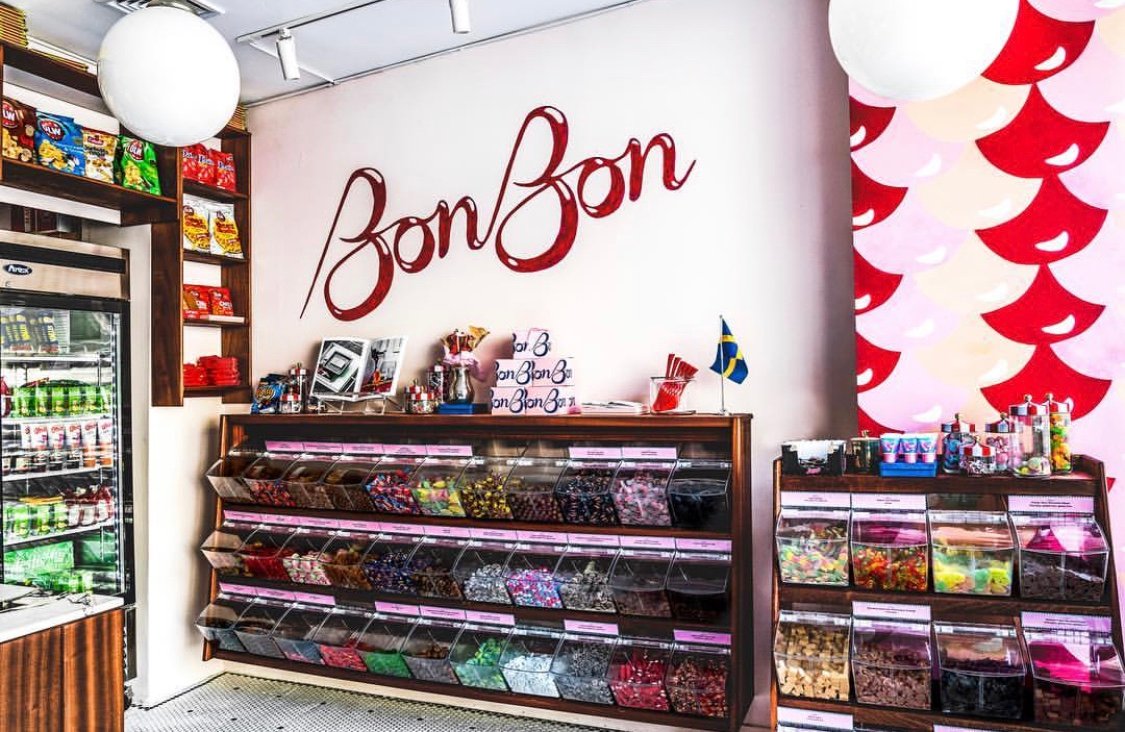
Bonbon NYC x SWP
Bakery
Retail
Packaging is no longer just a protective layer; it plays a critical role in shaping brand perception, influencing buying decisions, and delivering memorable customer experiences. Businesses today often face a key decision: whether to use rigid or regular boxes. This comparison explores the real differences between rigid boxes and regular boxes, using a practical, step-by-step approach to help businesses choose the right packaging solution based on their goals

A mid-sized retail brand specializing in premium skincare products faced a recurring issue. While their products were high-quality, their packaging, standard folding cartons, failed to reflect the same level of sophistication.
Key Challenges
Although regular boxes were cost-effective and easy to produce, they lacked the premium appeal necessary for a luxury-focused product line.
To address these challenges, the brand decided to shift to custom rigid boxes as part of a packaging upgrade strategy.
Rigid boxes, often referred to as set-up boxes, are made from thick paperboard and are pre-assembled, giving them a sturdy and high-end feel. These boxes are widely used in luxury rigid box packaging for products such as electronics, cosmetics, and gift items.
Implementation Steps:
Material Upgrade
Added:
Understanding the difference between these two packing options is vital for making an informed decision.
Rigid Boxes: Thick, robust chipboard structure
Regular Boxes: Lightweight paperboard or corrugated material
Rigid box packing delivers improved strength and a more substantial feeling.
Rigid Boxes: Non-collapsible, supplied in assembled condition
Regular Boxes: Foldable and packed flat
While normal boxes are practical for storage, rigid boxes prioritize presentation.
Rigid Boxes: Premium finishes include embossing, debossing, and foil stamping
Regular Boxes: Standard printing with limited finish possibilities
Luxury rigid boxes greatly boost brand perception and shelf presence.
Rigid Boxes: Higher cost due to materials and manual labor
Regular Boxes: Budget-friendly and scalable
However, rigid packaging often justifies their cost through increased customer experience and brand value.
Post implementation of rigid box packaging the brand experienced a few improvements:
Key findings:
The precise figures will vary, but industry patterns typically point to premium packaging impacting buying decisions and consumer loyalty.
Step by Step Instructions: How to Choose Between Rigid Boxes and Regular Boxes
If you’re selecting between these packing alternatives, here’s a helpful guide:
Step 1: Create Your Product Positioning
Step 2: Analyse Your Budget
Step 3: Think about the Customer Experience
Step 4: Determine Distribution Needs
Step 5: Focus on the identity of the brand
If packaging is a critical component of your brand story, investing in custom rigid boxes can make a lasting impression.
Main points
Today’s competitive world demands packaging to be more than protection, it demands perception. Ultimately, it comes down to a strategic decision: rigid boxes or normal boxes.
Rigid box packaging companies generally market themselves as high-end, reliable, and meticulous all traits that today’s consumers are actively seeking for.
Not sure if rigid or standard boxes are best for you? Smart Way Packaging helps you find the right solution to fit your product, budget and brand goals. Contact us immediately and take your packaging to the next level.
Looking for affordable, high-quality product packaging? We create boxes that enhance your brand presentation and protect your products. Start your first order today and get 20% off instantly!